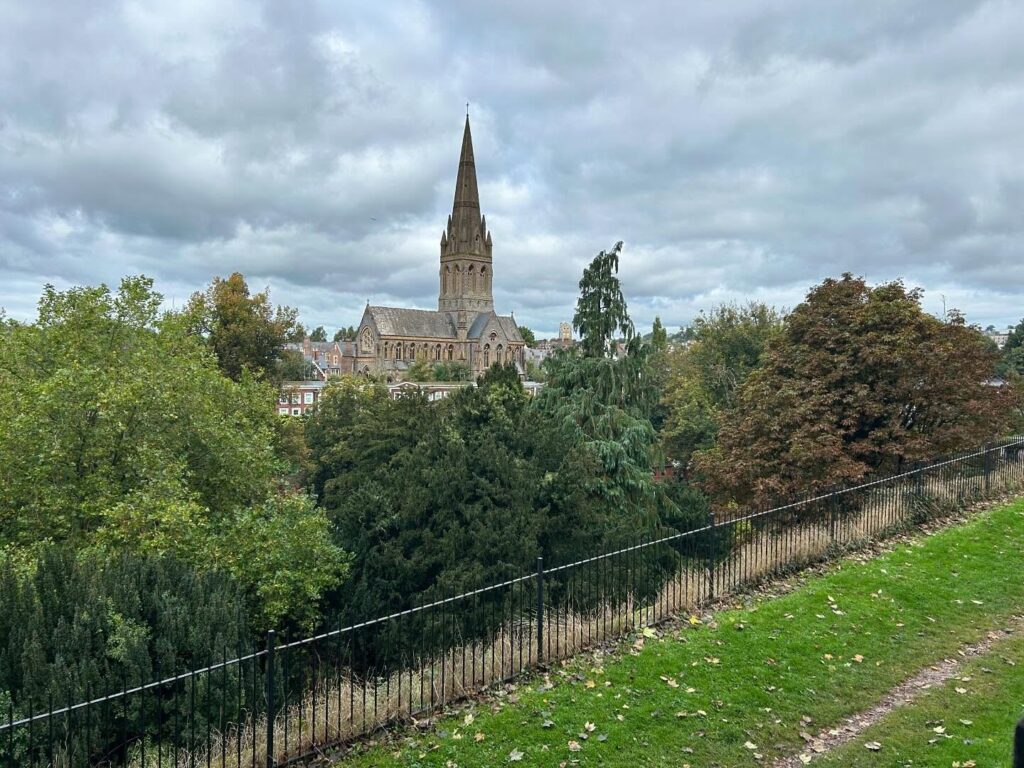
Today, while Dave was in meetings with the UK Met Office, I wandered around the city of Exeter. I’m still absolutely in awe of how OLD things are here!
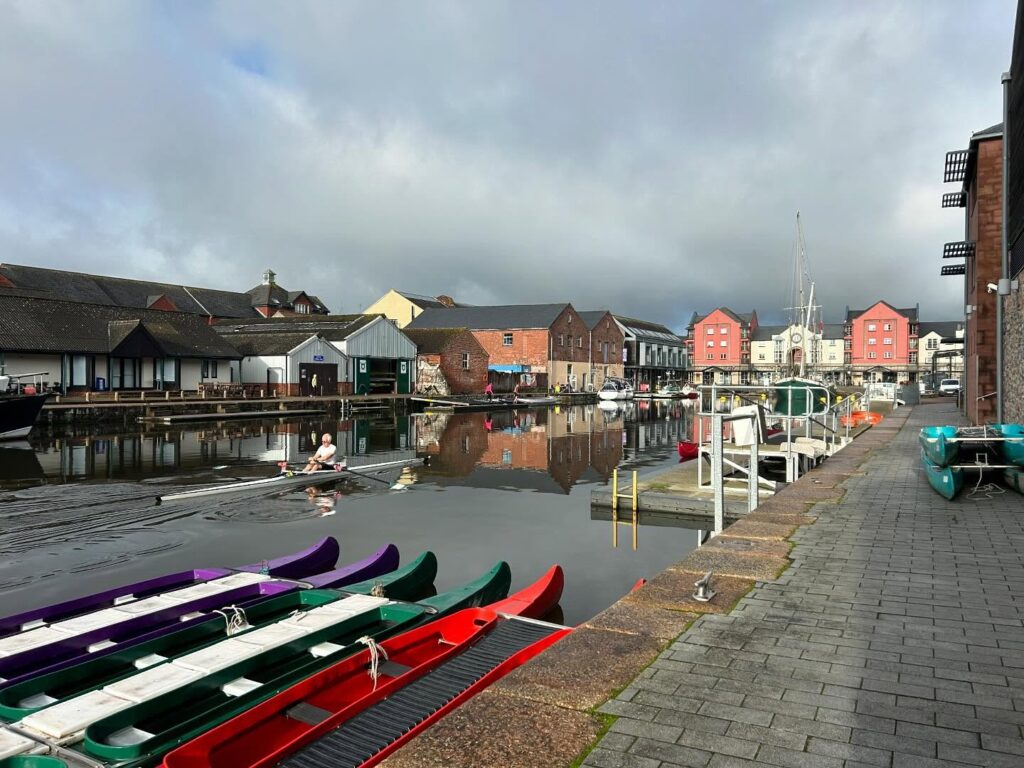
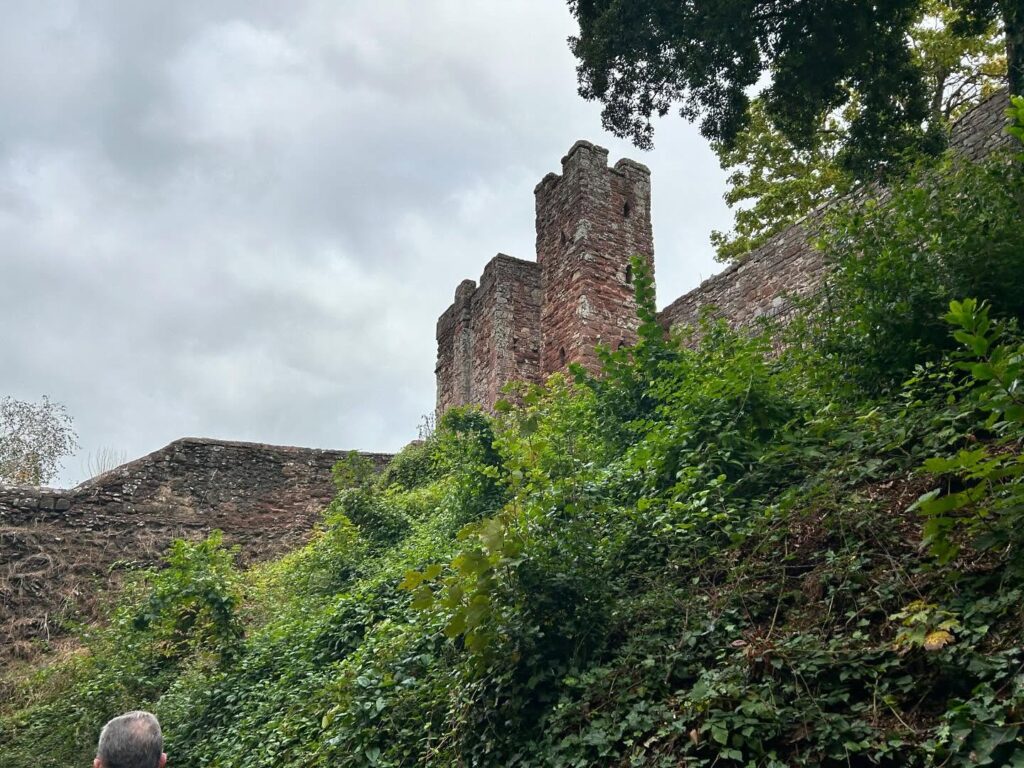
I watched folks sculling in a canal right after breakfast. Then, later in the morning, I took advantage of a cool program where they offer 2x daily free walking tours of the city with volunteers leading. I met a group at 11am and did a two hour tour of about 3/4 of the perimeter of the Exeter city wall, originally built between 50-60 AD by the Romans. The wall continued to protect the city for centuries afterwards including during the British Civil War in the 1600s.
After the walking tour I had a pasty and Ribena for lunch, then spent the afternoon in the Royal Albert Memorial Museum looking at incredible artifacts from the history of Exeter and Devonshire (as well as artifacts from around the world from during Britain’s colonialism).
#travelswithdaveandpatricia #exeter
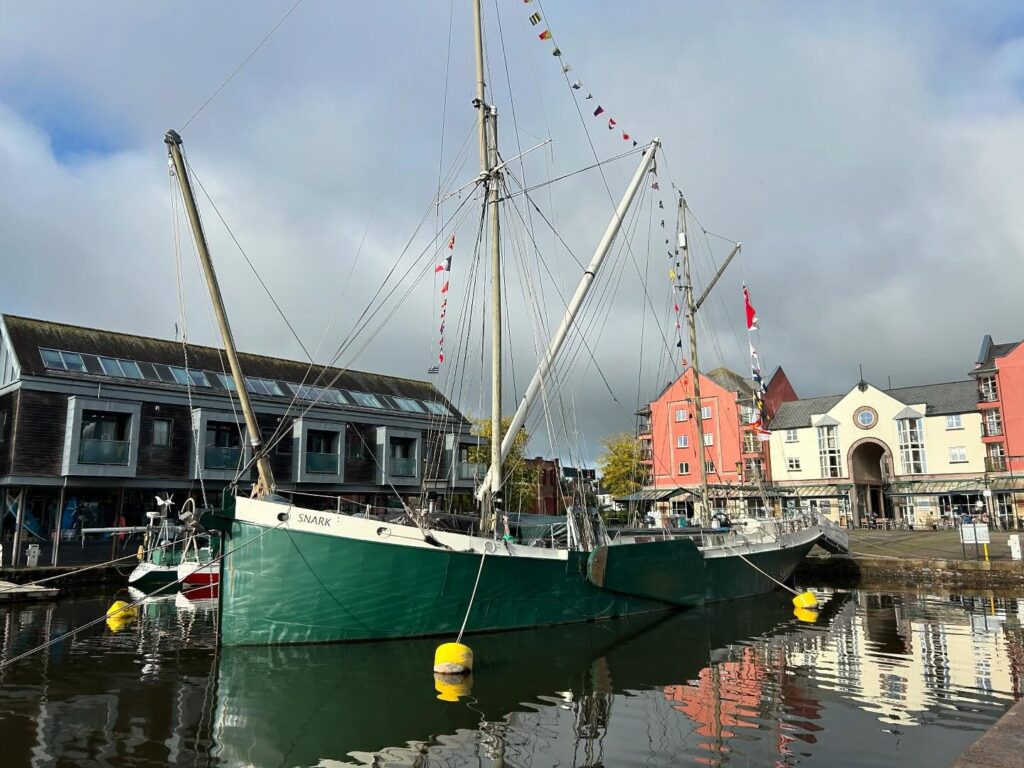
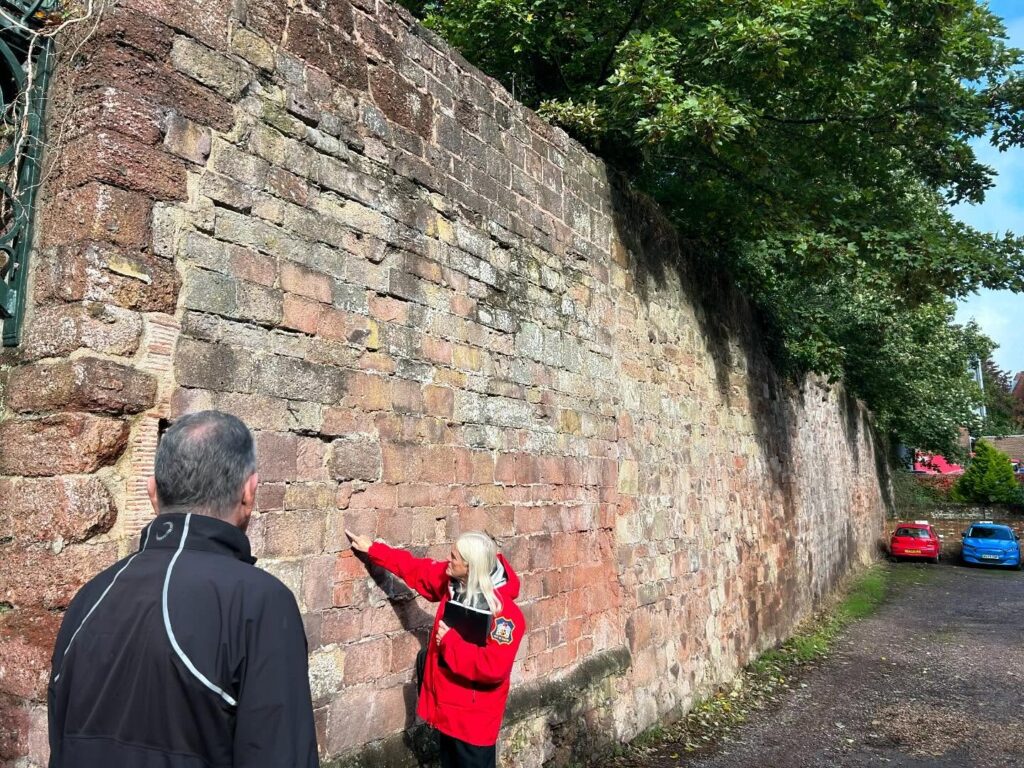
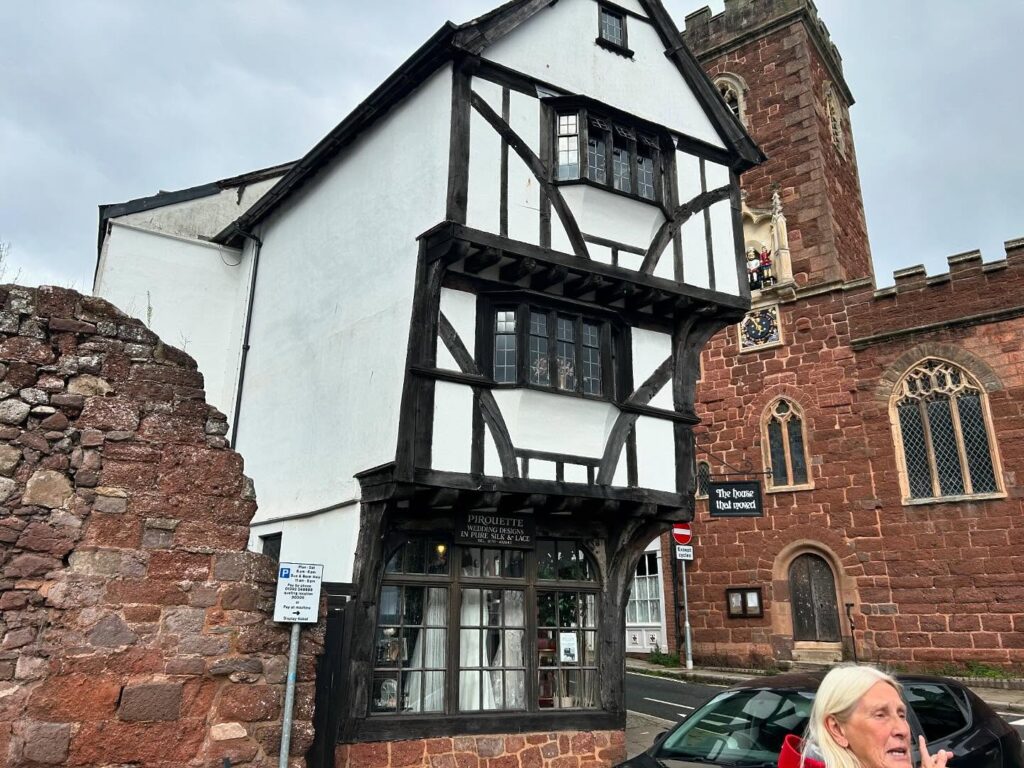
The city of Exeter sits on the Exe River, which has been siphoned off and dammed over the years to redirect water for various uses. There are numerous canals throughout the city, including this one that leads up to near the Customs House. You can see someone in the canal on their morning scull.Love the name of this boat ?Touring the Exeter City Wall. The tour guide explained the different kinds of stone in the wall, the timelines of when the wall was breached and repaired, and some of the building techniques they were using.Sticking out from the corner of this building, which was built in the ***1400s***, is a sign that says “The House that Moved”.
You can watch a video of the move (it happened in 1961):
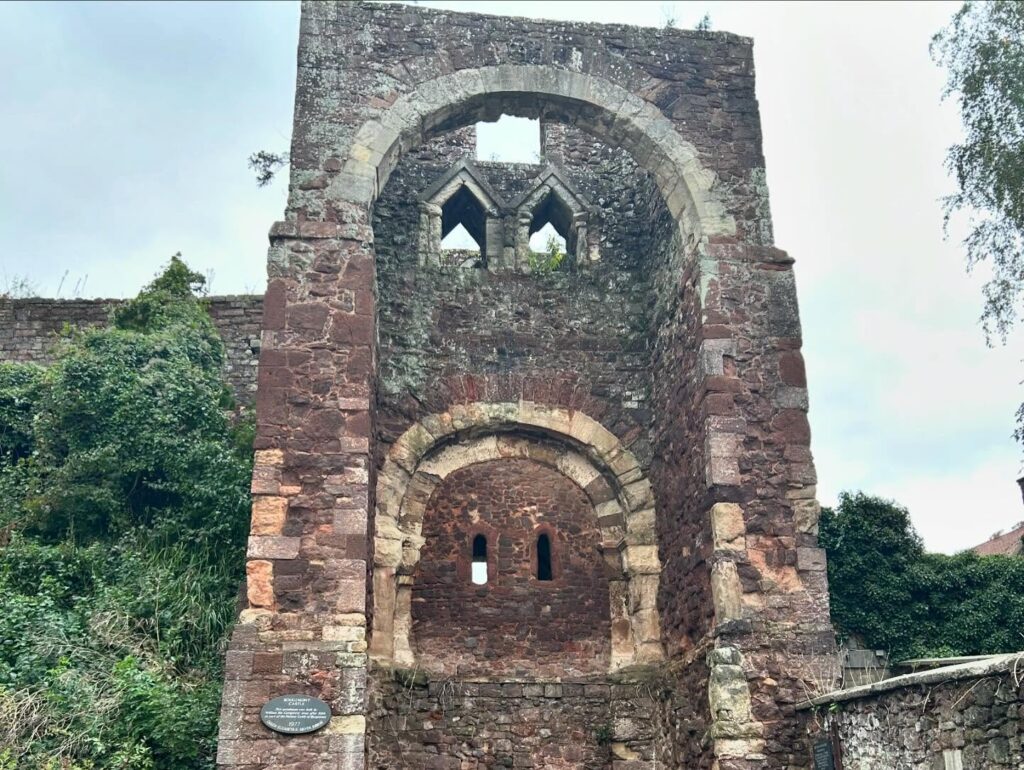
The Rougemont Castle gate house, which was built into the City Wall around the year 1068. This is the only remaining Norman-style building remaining in England that was built during the reign of William the Conquerer. Did I mention how OLD this city is?
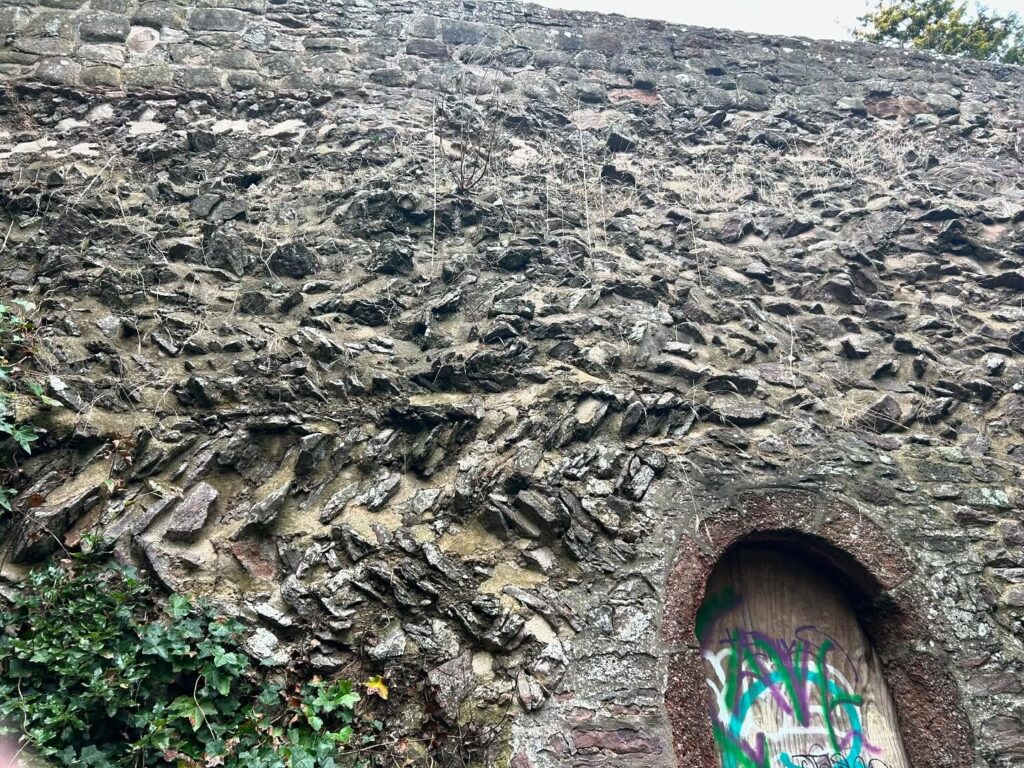
This is some of the earliest parts of the wall remaining, where Romans assembled the stones nto a “Herringbone” type of pattern to give it strength. (The doorway you see there was put in much much later).“Allegedlys” this is the alley from which J.K. Rowling came up with Diagon Alley. She went to college (“university”?) in Exeter.